One of the first questions people ask us is whether they have to rip out their current driveway before we can chip seal it. In most cases, no. Chip seal is a surface treatment that goes right on top of a solid base — and a driveway you already have is often most of that base already. Here's the honest breakdown by what you're starting with.
Quick answer: yes — chip seal goes directly over a sound gravel or asphalt driveway, so you almost never have to tear out what you have. Concrete is usually the exception, and bare dirt needs a base first.
| What you have now | Chip seal over it? | What it takes |
|---|---|---|
| Compacted gravel | Yes — ideal base | Grade, fill low spots, compact |
| Sound asphalt | Yes | Fill and treat cracks, repair any failed spots first |
| Concrete | Usually not | Joints and cracks tend to telegraph back through the new surface |
| Bare dirt or washed-out gravel | Not yet | Build and compact a gravel base first |
Not sure about your driveway? Text us a photo at (828) 361-1173 and we'll tell you honestly whether it's ready, or request a free on-site estimate.
When chip seal is the wrong answer (and what to do first)
Chip seal is a wearing surface, not a structure, so it can't fix a failing base. Road agencies say the same thing about public roads, and the logic carries over to a driveway:
- Rutted, potholed or badly cracked surfaces. The University of Kentucky's transportation center says chip seal "should not be used on rutted, potholed, rough, or moderately/severely distressed surfaces," and that it should go down while a surface is "still in relatively good condition with only minor surface problems" (Kentucky Transportation Center).
- Wider cracks need sealing first. Road Resource, a pavement-preservation guide, notes that when cracks in the existing surface exceed 1/4 inch in width, crack sealing them before chip sealing helps keep water from getting deeper into the pavement structure (Road Resource).
- Inspectors check the same things we do. The Federal Highway Administration's chip seal checklist has crews ask whether a project is a good candidate, how much rutting is present, how much and what type of cracking exists, whether crack sealing is needed, and how much bleeding or flushing exists (FHWA chip seal checklist).
- Standing water and soft spots. A base that pools water or flexes under a vehicle needs drainage and base repair first — see what shortens a chip seal's life.
Those sources describe public roads and agency practice, not a promise about any one driveway. What your driveway needs is exactly what we look at during the free on-site estimate.
Is your driveway ready? Quick check
- Usually ready: firm underfoot, water drains off instead of pooling, no soft or spongy spots.
- Needs work first: standing water, soft spots that flex under a vehicle, or asphalt that is crumbling from a failed base.
Not sure which side yours falls on? That is exactly what the free on-site estimate is for.
Over a gravel driveway — usually ideal
A well-compacted gravel driveway is the ideal foundation for chip seal. In fact, most chip seal driveways are built right over graded gravel — the stone base is exactly what the hot binder and chip need to lock into. If your gravel is in decent shape, prep is mostly grading, filling low spots, and compacting so the surface goes down even and solid. That's it. You go from a dusty, wash-boarding gravel drive to a locked-down surface without hauling anything away. See chip seal vs. a gravel drive for the full comparison.
Over an existing asphalt driveway — yes, if it's sound
Chip seal is a proven way to resurface and extend tired asphalt. Road crews have used it for decades to give worn asphalt roads a fresh, sealed, high-traction surface for a fraction of repaving. The key word is sound: the asphalt needs to be structurally solid underneath. We fill and treat cracks and address any failed spots first, then chip seal locks a new wearing surface over the top. If the asphalt is crumbling from a failed base, that section needs real repair before surfacing — which is exactly the kind of thing we check on site.
Over an existing concrete driveway — usually not the right fit
This is the one case where we'll often talk you out of chip seal. Concrete is smooth and rigid, so the hot binder doesn't grip it the way it grips gravel or asphalt, and concrete's control joints and any existing cracks tend to telegraph right back up through a new chip seal surface within a season or two. If your concrete is sound, it's already a perfectly good driveway — surfacing over it usually isn't worth it. If it's failing, chip seal won't fix the underlying problem. There are occasional exceptions, but we'd rather tell you straight at the estimate than sell you a job that won't hold up.
Over bare dirt or a worn-out base — build the base first
If there's no real base — just dirt, or gravel that's washed away to nothing — the honest answer is that a gravel base needs to go in and get compacted before chip seal makes sense. Chip seal is a surface, not a structure; it's only as good as what's under it. Skipping that step is where the bad chip seal jobs you read about come from.
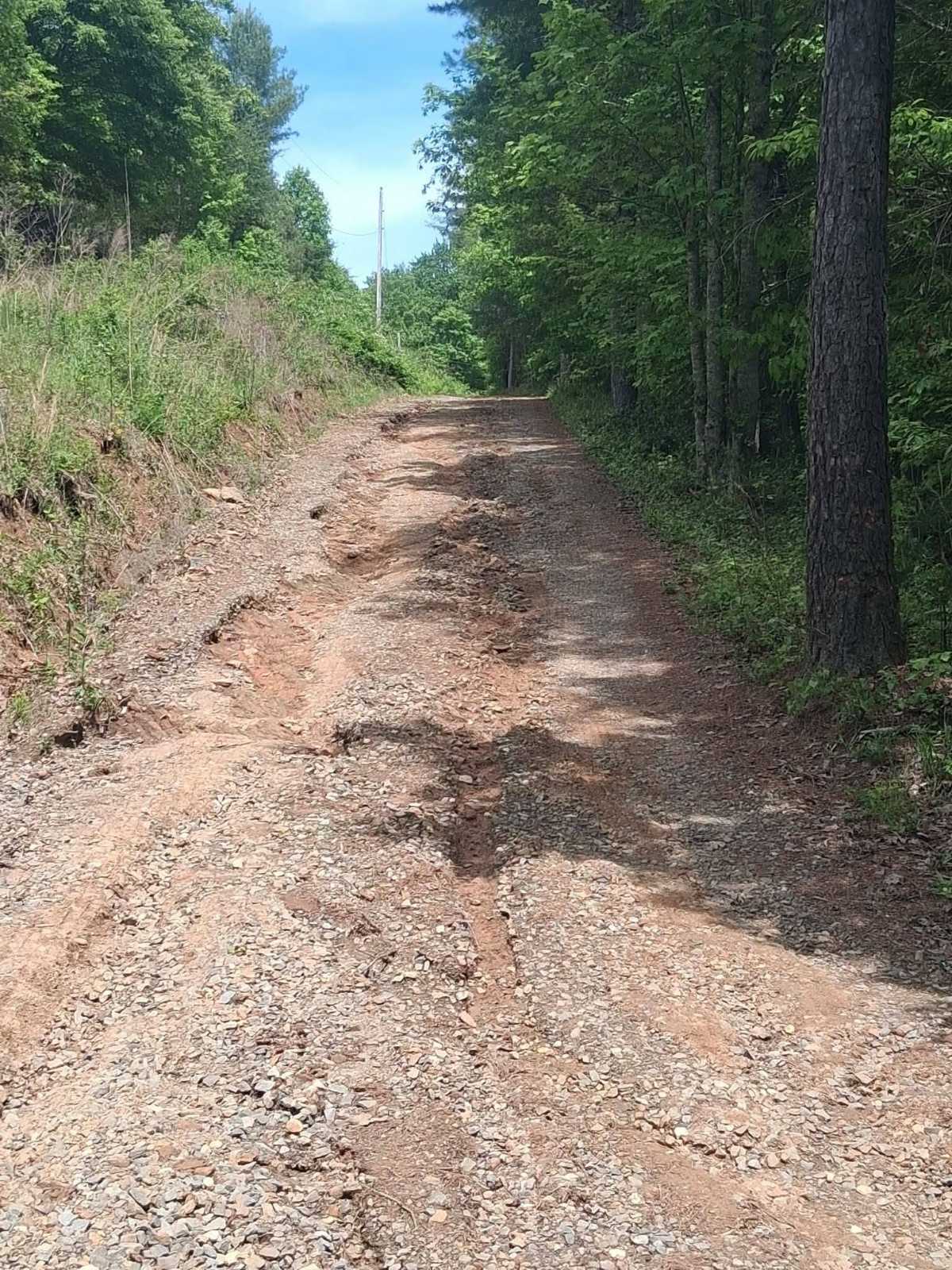
So do you need to remove your old driveway?
Almost never. A sound gravel or asphalt driveway can be prepped and surfaced directly — no demolition, no hauling, no starting from scratch. That's a big part of why chip seal comes in around half the cost of asphalt paving: you're not paying to tear out and rebuild what you already have.
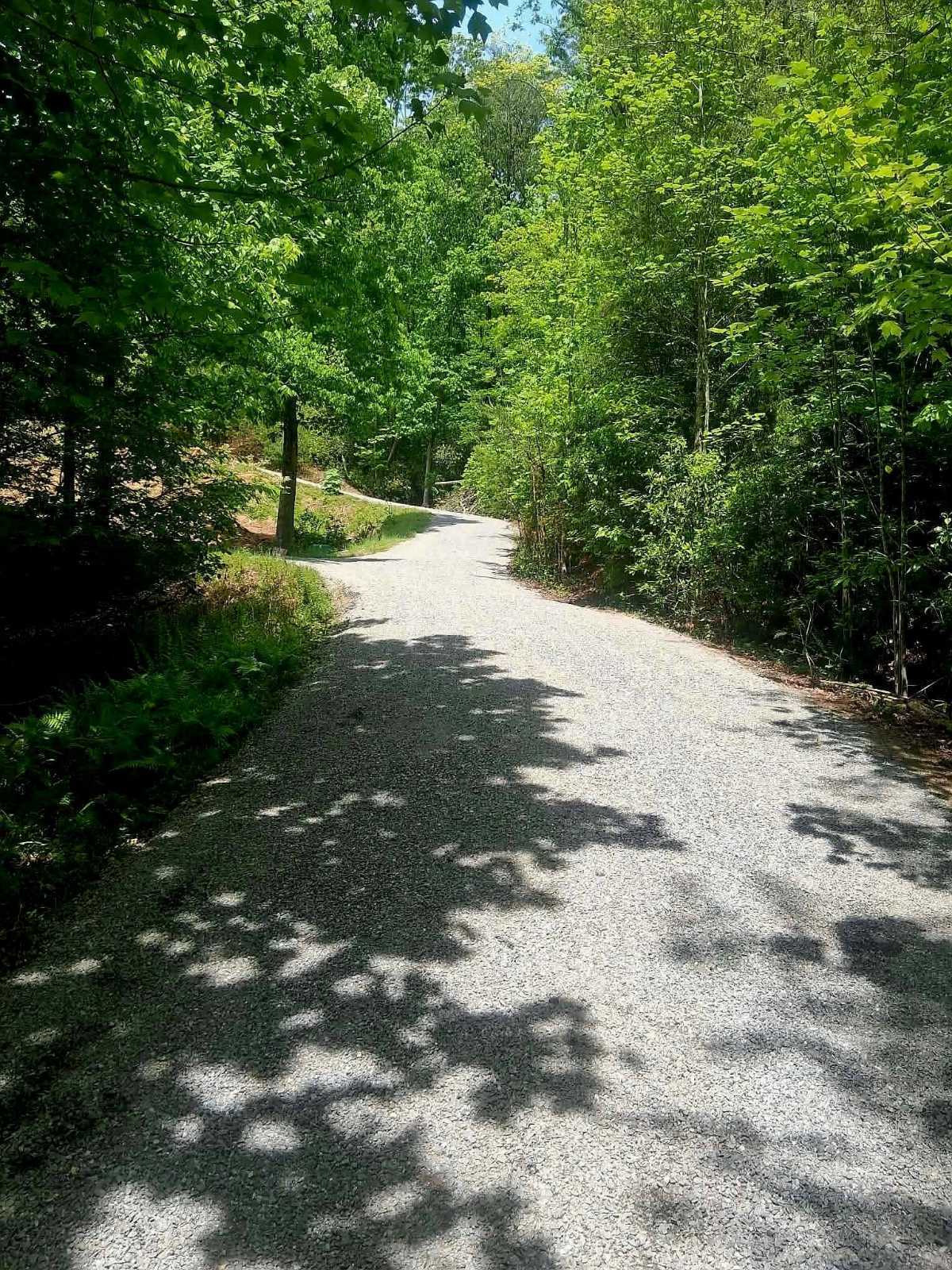
What actually matters: the base condition
Whether you're on gravel or asphalt, the surface underneath needs to be stable and well-drained. Standing water and soft spots are the enemy of any driveway surface. When we come out, we grade, fill, and compact as needed, check drainage, and tell you straight whether your base is ready to surface or needs a little work first. It's the same careful prep that makes a chip seal drive last for years — more on the steps in how the job goes and how long it takes.
The only way to know what your specific driveway needs is to have someone look at it. We provide free on-site estimates across Murphy and the surrounding NC/GA/TN communities — we'll assess your base and give you a straight answer. Request yours here.